
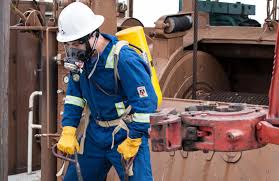
In the H2S industry, quality breathing air is not optional. It is a basic safety requirement that protects workers, supports compliance, and helps operations continue in hazardous environments. Hydrogen sulfide is highly toxic, and exposure can become dangerous very quickly. Because of that, employers need dependable breathing air systems and a clear plan for supplying clean, breathable air whenever workers may enter contaminated areas.
Understanding H2S and Its Hazards
Hydrogen sulfide is a toxic gas commonly found in oil and gas operations, drilling sites, refineries, and other industrial settings. It can irritate the eyes and respiratory system at lower concentrations and can become life-threatening at higher concentrations. In serious exposure events, workers may lose consciousness or suffer respiratory failure within minutes. That is why respiratory protection and clean breathing air are critical in environments where H2S may be present.
Why Quality Breathing Air Matters in the H2S Industry
Quality breathing air helps protect workers from inhaling hazardous contaminants when ambient air is unsafe. In H2S environments, clean air is essential for emergency response, evacuation, routine operations, and confined-space entry. A dependable air supply also helps teams work more confidently and efficiently because workers are not forced to rely on uncertain or contaminated air sources.
Breathing air quality matters for three main reasons:
- Worker safety: Clean breathing air reduces the risk of toxic inhalation and supports safe entry into hazardous areas.
- Operational reliability: Teams can continue critical work without unnecessary delays caused by unsafe air conditions.
- Regulatory compliance: Employers are expected to provide proper respiratory protection where hazardous exposures may occur.
Regulatory Requirements in the H2S Industry
Companies operating in hazardous gas environments must follow respiratory protection and workplace safety requirements. That includes selecting the right protection, training workers, inspecting equipment, and ensuring breathing air meets required quality standards. Compliance is not only about avoiding penalties. It is also about building a safer work culture and reducing preventable risk in high-hazard environments.
Types of Breathing Air Systems
Different tasks require different breathing air solutions. The right system depends on exposure level, work duration, mobility needs, and site conditions.
Self-Contained Breathing Apparatus (SCBA)
SCBA systems provide a portable supply of breathing air carried by the worker. They are commonly used for emergency response, rescue work, and short-duration tasks in high-risk areas where mobility is essential.
Supplied Air Respirators (SAR)
SAR systems deliver breathing air from a stationary source through an airline hose. These systems are often used for longer-duration work because they provide a continuous supply of air without the time limits of a portable cylinder.
Air Purifying Respirators (APR)
APR systems filter contaminants from ambient air, but they do not supply clean breathing air from an independent source. In high-risk H2S environments, APR systems may not provide the level of protection needed. They are generally better suited to lower-risk conditions where the hazard level is known and controlled.
Ensuring Air Quality
Providing breathing air is only part of the job. The air itself must be clean, properly filtered, and maintained within acceptable quality limits. Contaminants such as hydrocarbons, carbon monoxide, oil, moisture, and particulates can create serious problems if the air system is not maintained correctly.
To keep breathing air safe, companies should focus on:
- Regular air quality testing
- Scheduled maintenance and inspection
- Filter replacement and moisture control
- Proper monitoring of system performance
- Training workers on safe equipment use
Maintenance and Monitoring
Reliable breathing air systems require consistent inspection and service. Gauges, filters, separators, alarms, and other system components should be checked routinely. Employers should also verify that service is performed by qualified personnel and that maintenance records are kept up to date. Strong maintenance practices reduce downtime and help prevent failures when equipment is needed most.
Conclusion
For companies working in the H2S industry, quality breathing air is a critical part of worker protection and operational readiness. It supports safe entry into hazardous areas, strengthens compliance efforts, and helps crews respond effectively when conditions change quickly. Investing in dependable breathing air systems is one of the clearest ways to reduce risk and improve safety in H2S environments.
If your team needs reliable breathing air solutions for hazardous work environments, visit Max-Air to learn more about available systems and support options.
Contact https://max-air.com today and see how we can help you.