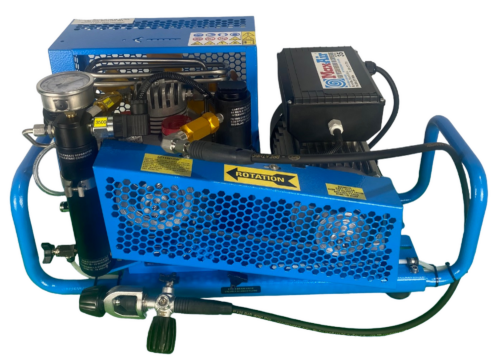
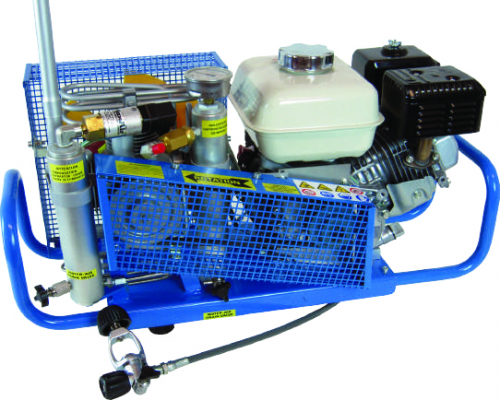
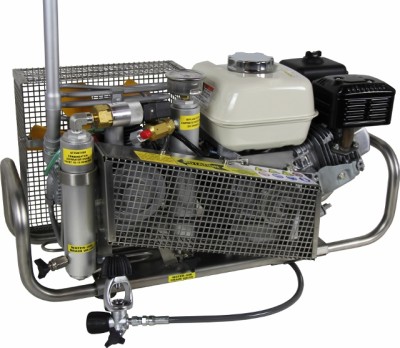
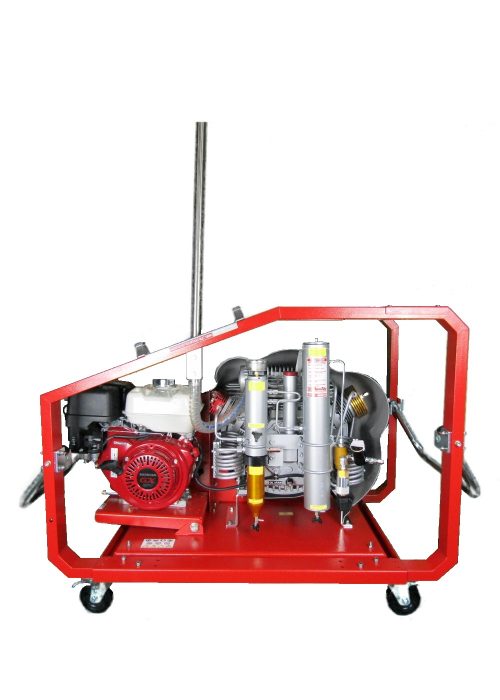
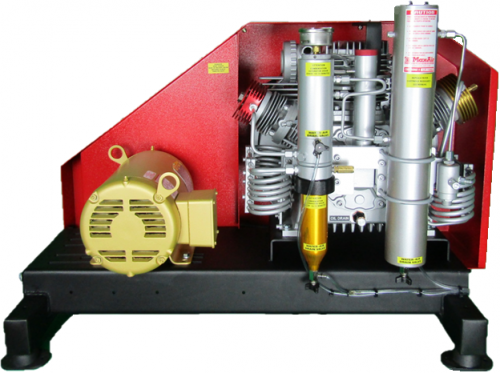
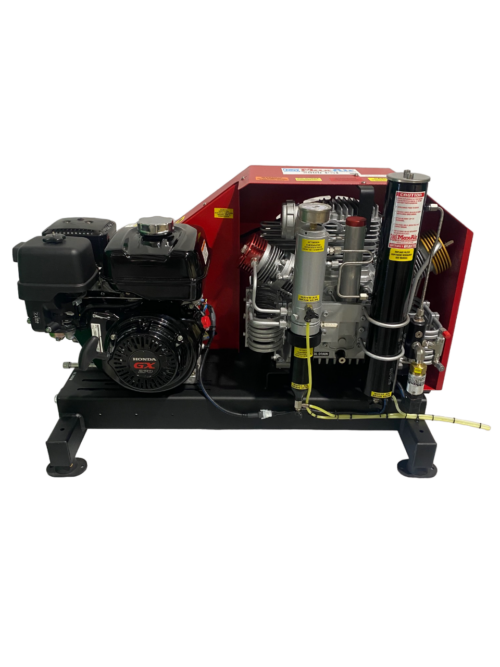
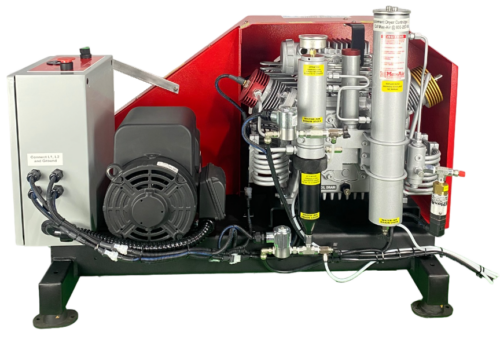
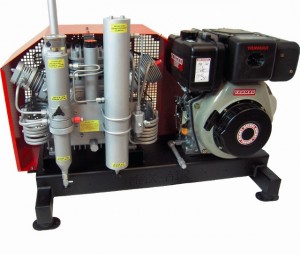
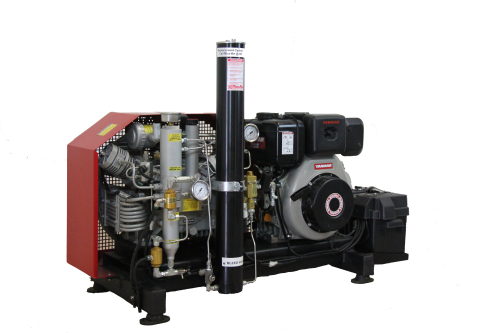
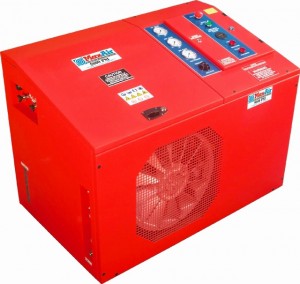
Scuba air compressors from Max-Air provide dependable high-pressure breathing air for dive shops, public-safety dive teams, marinas, liveaboards, and individual divers who need reliable cylinder filling.
Choosing the right scuba compressor depends on your cylinder pressure, how many tanks you fill per hour and per day, available electrical service, portability requirements, and whether you use direct filling or cascade storage.
Browse the Max-Air scuba compressors below, use our Find Your Compressor tool, or call 830-257-5006 to confirm the correct compressor, storage, and filling configuration for your operation.
Before selecting a scuba breathing air compressor, consider these four factors:
The right scuba compressor depends on your cylinder pressure and capacity, the maximum number of tanks you fill per hour and per day, your available power source, and whether you need a portable unit, direct filling, or cascade storage. Use the Find the Right Scuba Compressor tool or call Max-Air at 830-257-5006 to confirm the correct configuration.
A portable scuba compressor is useful for boats, remote locations, occasional filling, and operations that need to move the compressor between locations. A stationary compressor is generally better for dive shops and higher-volume operations that need automatic controls, faster recovery, cascade storage, or a permanent filling station.

Not every operation needs cascade storage. Direct filling may be sufficient for occasional or predictable tank filling, while cascade storage can be useful when several cylinders must be filled back-to-back or during busy periods. The best setup depends on your peak tanks-per-hour demand, daily filling volume, available space, and desired turnaround time.
Fill time depends on the compressor’s airflow, the cylinder’s size, its starting pressure, the final fill pressure, and whether the tank is filled directly or from cascade storage. A higher-output compressor or properly sized storage system can reduce turnaround time. Max-Air can estimate fill times using your actual cylinders and filling demand.
Maintenance depends on the compressor model and operating hours. Typical tasks include checking and changing the lubricating oil, draining condensate, replacing the intake filter and purification cartridge, checking belt tension, and inspecting hoses. Always follow the maintenance schedule in the compressor manual, and contact Max-Air when service or replacement parts are needed.