
Why Changing Your Breathing Air Compressor Filter Is So Important
A breathing air compressor filter is only as reliable as the air it produces. Whether you are filling SCBA cylinders, dive tanks, paintball cylinders, air rifle tanks, or other high-pressure breathing air applications, the filtration system plays a critical role in protecting air quality.
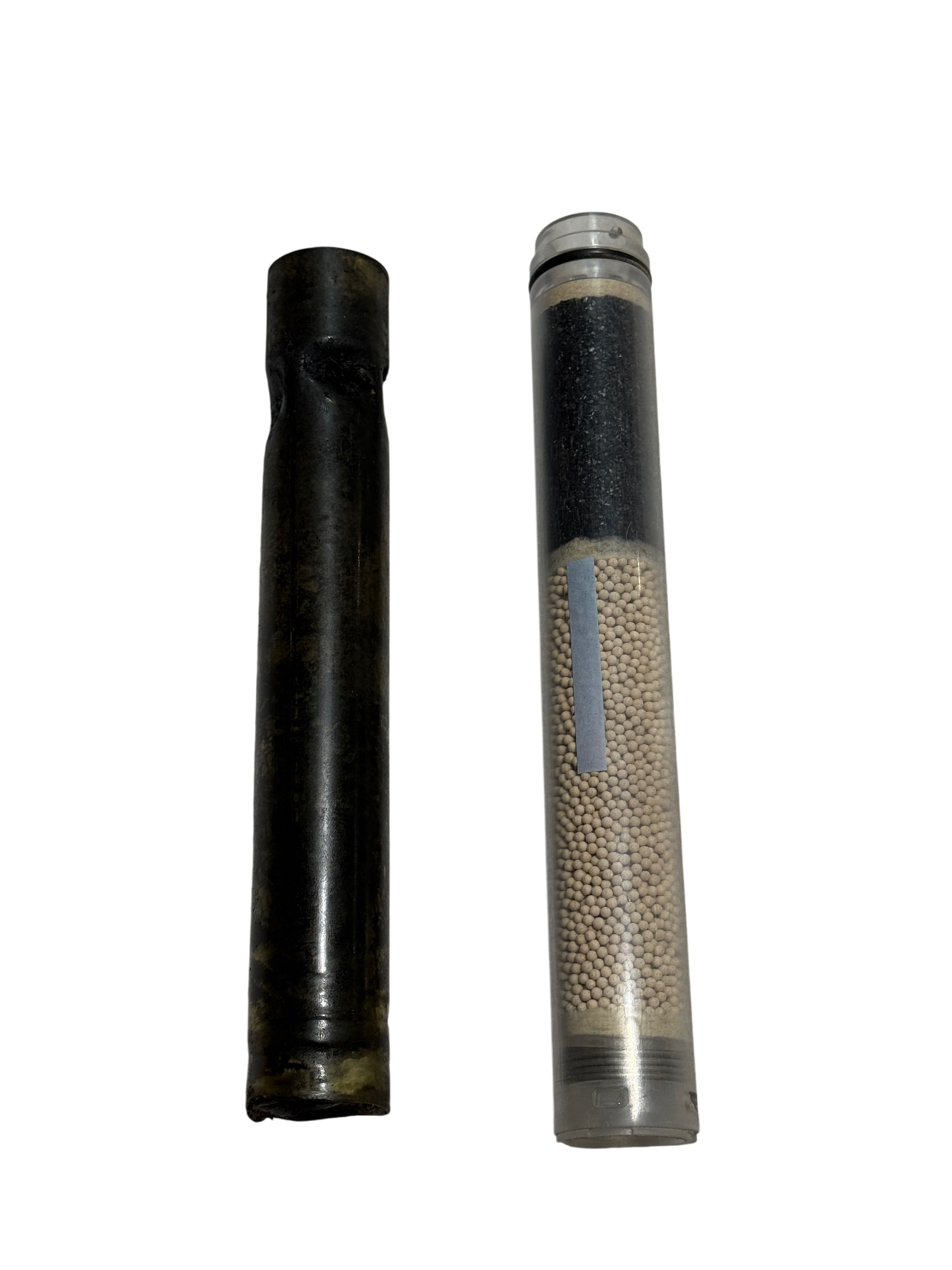
The photo above shows two used breathing air filters. The filter on the right is what a filter may look like when it has reached the end of its normal service life. The filter on the left is different. That filter appears to have been left in service long after it should have been replaced.
That is not normal wear. That is neglected maintenance.
Changing your breathing air compressor filter on schedule is not just about keeping the compressor clean. It is about protecting the quality of the air being compressed, stored, and eventually breathed.
What Does a Breathing Air Compressor Filter Do?
A high-pressure breathing air compressor filter helps remove contaminants from compressed air before that air enters a storage cylinder or breathing air system. Depending on the compressor model and filtration cartridge, the filter system may help reduce:
- Moisture
- Oil vapor
- Odors
- Particulates
- Hydrocarbons
- Other contaminants that can affect breathing air quality
As the filter is used, the filtration media gradually becomes spent. Once the filter reaches the end of its useful life, it can no longer do its job properly. At that point, continuing to run the compressor is a risk.
A filter may look “okay” from the outside while the media inside is already saturated. That is why filter changes should be based on the manufacturer’s recommended service interval, compressor hours, operating conditions, and air quality testing — not guesswork.
The Filter on the Right: Normal End-of-Life Use
The filter on the right side of the photo is an example of a used filter that has reached its normal life. It shows signs of use, but it has not been used beyond the intended life cycle.
This is what proper maintenance is supposed to look like. The filter was used, reached its service interval, and was removed before it became severely contaminated.
That is the goal: replace the filter before it becomes a problem.
The Filter on the Left: What Neglect Looks Like
The filter on the left is a serious warning sign. It appears dark, contaminated, and heavily degraded from being left in service far too long.
When a breathing air filter is used beyond it’s normal service cycle, several problems can occur:
- The filter media can become saturated.
- Moisture control no longer occurs.
- Oil and contaminants may pass through more easily.
- Odor problems can develop.
- Air quality may become harder to verify.
- The compressor system may be exposed to unnecessary contamination.
The most dangerous part is that users may not notice a problem immediately. Compressed air can seem normal until testing, odor, moisture, or equipment issues reveal that something is wrong.
That is why filter maintenance must be preventive, not reactive.
Why Moisture Is a Major Problem in Breathing Air Systems
Moisture is one of the biggest enemies of compressed breathing air. Compressing air concentrates moisture, and if that moisture is not properly managed, it can affect both air quality and equipment life.
Too much moisture can contribute to corrosion inside cylinders, valves, lines, and compressor components. In breathing air applications, dryness is especially important because the air may be stored under high pressure for later use.
A properly maintained filter cartridge helps control moisture as part of the compressor’s overall purification system. But once the filter media is spent, moisture removal can drop off quickly.
That is why humidity, compressor run time, intake air conditions, and service intervals all matter.
A Dirty Filter Can Cost More Than a Replacement Cartridge
Some people delay filter changes because they want to “get more life” out of the cartridge. That is the wrong way to look at it.
A replacement filter is inexpensive compared to the cost of:
- Failed air quality tests
- Compressor damage
- Contaminated cylinders
- Downtime
- Emergency service
- Lost customer confidence
- Safety concerns
For fire departments, dive shops, paintball fill stations, industrial users, and anyone filling breathing air cylinders, clean air is the product. If the filtration system is neglected, the entire operation is at risk.
Do Not Rely on Appearance Alone
The photo is useful because it shows the difference between normal used filter life and extreme neglect. But visual inspection alone is not enough.
A filter can look clean and still be past its useful life. Another filter may darken faster because of humidity, oil carryover, intake conditions, or heavy compressor use.
The best approach is to track filter life properly:
- Follow the compressor manufacturer’s filter change interval.
- Track compressor operating hours.
- Write the installation date on the filter or service tag.
- Keep a maintenance log.
- Replace filters sooner in humid, dusty, oily, or high-use environments.
- Test breathing air quality as required for your application.
If you are not sure when the filter was last changed, the safest answer is simple: change it.
How Often Should a Breathing Air Compressor Filter Be Changed?
There is no single filter interval that applies to every compressor and every operating environment. Filter life depends on several factors, including:
- Compressor model
- Filter cartridge type
- Hours of operation
- Ambient humidity
- Intake air quality
- Oil condition
- Compressor temperature
- How often the system is drained
- Whether the compressor is used occasionally or heavily
Always follow the maintenance schedule for your specific compressor model. If your compressor operates in hot, humid, dusty, or high-demand conditions, the filter may need to be changed more often.
For Max-Air compressor owners, check your manual or contact us with your model and serial number so we can help identify the correct replacement filter and maintenance interval.
Signs Your Breathing Air Filter May Be Overdue
Your breathing air filter may be overdue if you notice:
- The filter has no installation date or service record.
- The compressor has run beyond the recommended filter hours.
- The air has an unusual smell or taste.
- Moisture is showing up where it should not.
- The filter housing or cartridge shows heavy contamination.
- Air quality testing results are questionable.
- The compressor has been sitting unused for a long period.
- You bought a used compressor and do not know its maintenance history.
Do not wait for a problem to show up. Breathing air compressor filters should be replaced before they fail, not after.
Filter Maintenance Protects More Than the User
Changing the breathing air filter protects the person breathing the air, but it also protects the business or organization operating the compressor.
For dive shops, breathing air quality is part of customer trust. For fire departments, it is part of readiness. For industrial users, it is part of workplace safety. For paintball and airgun fill stations, it helps protect both equipment and reputation.
A neglected filter sends the wrong message. A documented maintenance schedule shows that the compressor is being cared for properly.
Best Practices for Breathing Air Filter Maintenance
Use this simple checklist:
- Record the filter installation date.
Write it directly on the maintenance tag or log. - Track compressor hours.
Do not rely on memory. - Follow the manufacturer’s replacement interval.
The correct interval depends on the compressor and filter system. - Drain moisture as instructed.
Moisture management is a major part of breathing air compressor maintenance. - Use the correct replacement cartridge.
Do not substitute unknown or incorrect filtration media. - Keep intake air clean.
The compressor should not pull in exhaust, fumes, chemical vapors, or contaminated air. - Test breathing air quality.
Maintenance and testing work together. A new filter does not replace proper air testing. - Replace unknown filters immediately.
If you do not know the filter’s age, assume it is due.
The Bottom Line
The filter on the right side of the photo shows normal use at the end of its service life. The filter on the left shows what happens when filter maintenance is ignored for far too long.
A breathing air filter is not a part to stretch, guess at, or forget. It is a critical part of the compressor’s purification system.
Change your filter on schedule. Track your service hours. Use the correct replacement parts. Test your air. When in doubt, replace the filter.
If you need replacement breathing air compressor filters, cartridges, or maintenance parts, Max-Air can help you identify the correct consumables for your compressor.
Need help finding the right filter?
Contact Max-Air with your compressor model and serial number, or visit us at http://www.max-air.com.
FAQ
How often should I change my breathing air compressor filter?
You should change your breathing air compressor filter according to the manufacturer’s recommended service interval for your specific compressor model. Filter life depends on compressor hours, humidity, intake air quality, oil condition, and operating environment.
Can I tell if a breathing air filter is bad by looking at it?
Not always. A badly neglected filter may look dirty or contaminated, but a filter can also look acceptable while the media inside is already spent. Filter changes should be based on service intervals, compressor hours, conditions, and air quality testing.
What happens if I do not change my breathing air filter?
If a breathing air filter is not changed on schedule, it may lose its ability to properly reduce moisture, oil vapor, odors, particulates, and other contaminants. This can affect air quality, compressor performance, and user confidence.
Should I change the filter on a used breathing air compressor?
Yes. If you buy a used breathing air compressor and do not have a clear maintenance record, replacing the filter is one of the first things you should do. You should also inspect the compressor and test the breathing air before relying on it.
Does a new filter guarantee safe breathing air?
No. A new filter is important, but it does not replace proper compressor maintenance, correct compressor placement, moisture control, and breathing air quality testing. Filter maintenance and air testing should work together.