
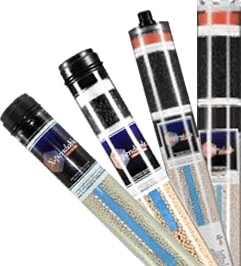
Breathing air filter life is one of the biggest hidden cost factors in operating a high-pressure breathing air compressor. Many owners focus on pressure rating, charging rate, and portability when they buy a system, but day-to-day operating cost often comes down to how long the purification cartridge lasts. In real-world use, cartridge life is not determined by runtime alone. Temperature, humidity, condensate drainage, intake air conditions, and overall maintenance all affect how quickly the filter media is consumed.
For operators filling SCUBA cylinders, SCBA cylinders, cascade systems, or other breathing air bottles, understanding cartridge life helps reduce downtime, protect air quality, and control consumable costs. It also helps buyers compare systems more realistically, because a compressor that looks similar on paper may cost more to operate if the filtration system is used up faster in the conditions where it actually runs.
Why Breathing Air Filter Cartridge Life Matters
The purification cartridge is responsible for helping remove moisture, oil vapor, and other contaminants so the final breathing air meets the expected quality standard. When cartridge life is shorter than expected, owners usually feel it in two ways: more frequent filter replacement and more interruptions in service. For commercial operators, fire departments, dive centers, and industrial users, that can quickly become a cost and reliability problem.
Cartridge life also matters because it affects planning. If you know what shortens filter life, you can make better decisions about installation, intake location, drainage intervals, service schedules, and purification upgrades. That is especially important for users operating in hot climates, humid environments, or heavy-duty filling applications.
What Determines Breathing Air Filter Cartridge Life
Filter life depends on a combination of conditions, not just hours on the machine. The most important factors usually include:
- Intake air temperature
- Ambient humidity
- Air volume processed
- Condensate drainage intervals
- Compressor size and duty cycle
- Cleanliness of the intake air
- Overall maintenance and service practices
That means two operators using the same compressor can see different cartridge life if one system runs in cool, dry conditions and the other runs in hot, humid air with inconsistent drainage.
Temperature and Humidity Have a Direct Effect
One of the most important facts for compressor owners is that hotter and wetter air shortens cartridge life. As intake temperature rises, the purification system has to deal with more heat stress and moisture load. In humid environments, the cartridge also has to process more water vapor, which speeds up saturation and reduces useful life.
For that reason, cooler intake air usually helps the filter last longer. Operators who place compressors in enclosed rooms, mechanical spaces, hot trucks, or poorly ventilated sheds may see shorter cartridge life than operators running the same unit in a cooler, cleaner area. If your environment is warm and humid, you should expect the cartridge to be consumed faster than a best-case baseline.
Runtime Is Not the Whole Story
It is easy to think of cartridge life only in terms of hours, but runtime alone does not tell the full story. A compressor running repeated fills in a high-demand environment processes more air and creates more condensate than a lightly used system. Larger compressors and continuous-duty systems also consume filtration capacity differently than smaller portable units.
In other words, cartridge life is really a combination of air volume and operating conditions. The more air you process, and the worse the intake and moisture conditions are, the faster the filter media is used up.
Drainage Habits Can Help or Hurt Filter Life
Condensate drainage is one of the most overlooked parts of compressor maintenance. If moisture is not removed often enough, the purification system has to handle more contamination than it should. That can shorten cartridge life and reduce overall system efficiency.
Good drainage habits help the separator and purification system do their job properly. Poor drainage habits allow moisture and oil carryover to build up, which puts more load on the cartridge. For owners trying to improve breathing air filter cartridge life, regular draining is one of the simplest and most effective maintenance practices.
Signs Your Cartridge May Be Losing Life Faster
Operators should pay closer attention to cartridge condition when any of the following are true:
- The compressor is running in hot or humid conditions
- Drain intervals are being stretched too long
- The intake air is dusty, dirty, or poorly located
- The system is handling frequent fill cycles or heavy use
- Service intervals are not being tracked carefully
Even if a cartridge has not reached its theoretical runtime, real-world conditions can justify earlier replacement. That is why filter maintenance should be based on both schedule and operating conditions, not guesswork.
How to Extend Breathing Air Filter Cartridge Life
If you want to get more life from each cartridge, focus on controllable factors. Start by giving the compressor the coolest, cleanest intake air possible. Next, follow proper condensate drainage procedures and do not delay routine draining in hot or humid weather. Keep the separator, housing, and service components clean during maintenance, and track runtime instead of relying on memory.
It also helps to match the compressor and purification package to the actual application. A lightly used personal unit and a heavy-use commercial or fire service unit should not be managed the same way. In some applications, a larger or upgraded purification system can reduce long-term operating cost by extending service intervals and improving consistency.
Choosing the Right System for Your Application
Buyers often compare compressors based on pressure and charging rate alone, but filtration should be part of the decision. If your operation fills cylinders frequently, runs in humid conditions, or depends on reliable breathing air every day, cartridge life and purification capacity should be considered from the start. A system that is cheaper upfront may cost more over time if the cartridge is consumed faster in your actual environment.
That is why it helps to compare compressor design, intake conditions, duty cycle, and purification options together instead of looking at any one spec by itself.
Conclusion
Breathing air filter cartridge life depends on more than hours of operation. Temperature, humidity, intake conditions, drainage habits, and overall compressor use all play a direct role in how long a cartridge lasts. Owners who understand these factors can reduce consumable cost, improve uptime, and maintain more dependable breathing air quality.
Explore our breathing air compressor consumables for replacement filters and related maintenance items.